Strength in Kindness: Why Being "Nice" is the Ultimate Power Move
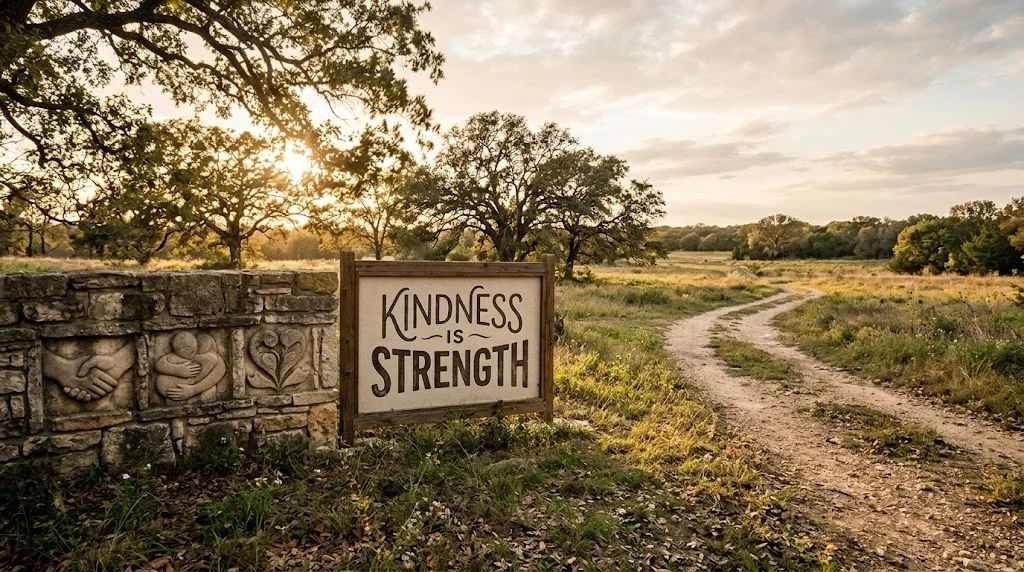
There is a tired, cynical myth that’s been making the rounds for years: “Nice guys finish last.”
In a world that often mistakes volume for impact and aggressiveness for authority, being kind, positive, or optimistic is sometimes viewed as a soft option. People treat it like a weakness—as if being “nice” means you’re passive, easily pushed around, or naive about how the world works.
But let’s get something straight: being nice is not a weakness. It is a strength.
In fact, in today’s high-friction, always-on world, it might be the hardest and most powerful thing you can do.
The Low Bar of Being Upset
Let’s be honest: being angry, cynical, or upset is easy.
It takes zero effort to look at a challenging situation, a difficult colleague, or a broken process and throw your hands up in frustration. Cynicism doesn’t require creativity. Natural human instinct makes it incredibly easy to match negativity with more negativity. When someone comes at you with attitude, the easiest, most brainless response is to give it right back.
But staying positive? Remaining optimistic when things are going sideways? Choosing to be nice to someone who is testing your patience?
That takes work.
It requires self-regulation, emotional maturity, and a genuine reservoir of mental strength. To look at a chaotic situation and consciously decide to bring calm, constructive energy instead of adding to the noise is a massive flex. It means you are in control of your response, rather than letting the environment dictate your mood.
Passion is Not Hostility
In the midst of this, we need to draw a very clear line: there is a massive difference between being passionate and being mean or upset.
I love passionate people. In fact, I often feel fueled and energized by their passion, even when I completely disagree with their point of view.
True passion is about caring deeply, chasing a vision, or pushing for the best possible outcome. It’s infectious, and it drives progress. You can fight tooth and nail for an idea, challenge assumptions, and show intense dedication without ever crossing the line into hostility.
Passion builds things up; being mean or upset just tears them down. You don’t need to be agreeable to be nice, and you don’t need to be quiet to be kind. But the moment passion turns into personal attacks, eye-rolling, or aggressive outbursts, it ceases to be useful. It stops being about the mission and start being about the ego.
The “Upset” Norm and the Danger of Burning Bridges
Unfortunately, we see this misinterpretation play out constantly, especially in today’s political and cultural climate. Being outraged has become the default setting, often masquerading as “passion.” Whether it’s on social media, in the news, or even spilling into our day-to-day professional lives, anger is the current currency.
It feels active. It feels like you’re “doing something” because you’re passionate and vocal.
But here is the hard truth: constant outrage is highly ineffective.
When your default response to friction is to get upset, raise your voice, or push back with hostility, you aren’t actually solving the problem—you’re just raising the temperature. In a collaborative environment (whether that’s building software, managing teams, or navigating community spaces), being constantly combative is a fast track to nowhere.
More importantly, it burns bridges.
The tech and business worlds are remarkably small. The person you get visibly upset with today might be the stakeholder, partner, or colleague you need to collaborate with tomorrow. When you lead with hostility, you might win the immediate argument, but you lose the relationship. You shut down open communication, make people defensive, and ensure that the next time you need help, the door will be firmly closed.
Once a bridge is burned, you rarely get the chance to rebuild it.
Kindness is Strategic
Being “nice” doesn’t mean you don’t have boundaries. It doesn’t mean you agree with everything, and it certainly doesn’t mean you let people walk over you. You can be incredibly firm, demand high standards, and push back on bad ideas—all while being fundamentally decent, respectful, and constructive.
Kindness is actually a strategic advantage:
- It Keeps the Focus on the Problem: When you don’t make things personal or emotional, you can actually solve the technical or operational issue at hand.
- It De-Escalates Friction: It is incredibly hard for someone to stay combative when you refuse to match their anger. Being calm and polite is the ultimate deflector.
- It Keeps the Door Open: When people know you are reasonable, fair, and optimistic, they want to work with you. They want to help you solve problems.
The Ultimate Power Move
If you want to be effective, stop looking at outrage as a badge of honor.
Being positive, optimistic, and nice is a daily, active choice. It is the decision to look at the friction around us and refuse to let it degrade how we treat people. It takes grit to maintain your decency when everything around you is encouraging you to lose it.
So, don’t let the cynics fool you. Loudness is not strength, and hostility is not impact.
Being nice is the ultimate power move. It builds the bridges that outrage destroys, and it’s the only way to keep moving forward without leaving a trail of broken relationships behind you.