Laundry Stripping 101: The No-BS Guide to Reviving Your Linens and Towels
Credit to the Reddit community at r/laundry for popularizing these deep-stripping techniques, enzyme-based methods, and routine care optimizations.
We’ve all been there: you pull your bath towels or workout gear out of the dryer, and even though they are technically “clean,” they feel stiff and crusty, look dingy, or carry a faint, sour funk the moment you start sweating.
Standard 45-minute wash cycles aren’t designed to eliminate years of accumulated body oils (sebum), hard water minerals, and synthetic detergent residue. Worse yet, years of using traditional dryer sheets only compounded the problem by coating fabric fibers in a waxy, hydrophobic layer of silicone that seals in odors and kills towel absorbency.
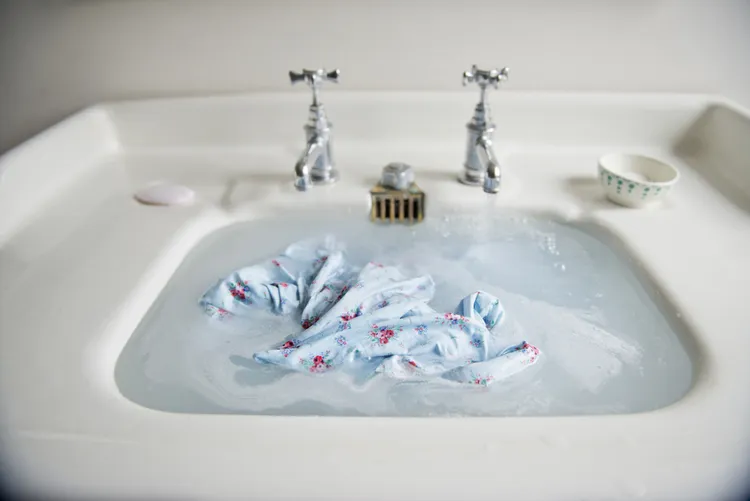
To fix the system, you have to reset the baseline. Enter the Laundry Spa Day—a deep-soaking, oil-stripping protocol designed to strip trapped grime and restore peak performance to crusty towels, sheets, and high-performance tennis and pickleball clothes.
The Chemical Engine: High-Enzyme Oxygen Bleach
Forget the complicated home concoctions of borax and washing soda. A heavy-duty powder like Tide Ultra Oxi Powder serves as an all-in-one chemical engine.
Powdered oxygen bleach formulas combine concentrated surfactants, oxygen bleach, and targeted enzymes (specifically lipase, which digests fats and oils). Given enough thermal energy and dwell time, these active agents break the bonds holding trapped sebum to cotton and synthetic fibers.
The Spa Day Protocol
Inputs & Equipment
-
1/4 cup Tide Ultra Oxi Powder per 1 gallon of hot water
-
Insulated Cooler (or bathtub/large utility basin) — an insulated ice cooler is ideal because it maintains high water temperature across multi-hour dwell times
-
1 cup clear or lemon-scented household ammonia (optional solvent boost)
-
100% Wool Dryer Balls
-
Standard washing machine
Step 1: The Thermal Deep Soak
-
Fill with Hot Water: Fill your cooler with the hottest tap water your system safely provides.
-
Dissolve Completely: Add the Tide Ultra Oxi Powder and stir thoroughly until every single granule is fully dissolved. Never drop dry powder directly onto wet garments, as concentrated spots can cause localized bleaching.
-
Submerge & Dwell: Add sturdy items (crusty bath towels, sheets, yellowed whites, or polyester tennis/pickleball gear). Submerge completely, close the cooler lid to lock in thermal energy, and agitate every 1–2 hours. Let soak for 6 to 8 hours (or overnight).
-
Inspect: The resulting murky brown/gray liquid is visual proof of suspended sebum, minerals, and old fabric softener leaving the fibers.
Step 2: The Rehab Flush
-
Transfer: Drain the murky solution, gently press out excess water, and move items to the washer drum.
-
Primary Dose: Add your standard dose of detergent.
-
The Ammonia Solvent Boost (Optional): Pour 1 cup of household ammonia directly over the wet clothes inside the drum right before closing the door. Ammonia acts as an aggressive alkaline solvent that saponifies (converts to soap) remaining stubborn oils.
-
Execute Cycle: Run the longest, hottest heavy-duty cycle available.
-
Mandatory Extra Rinse: Select an extra rinse to prevent liberated oils and suspended solids from redepositing on the fabric during draining.
Step 3: Dry & Verify
Tumble dry with 100% wool dryer balls instead of dryer sheets. The wool balls physically separate fabrics, eliminate bunching, maximize airflow for faster dry times, and soften garments naturally without coating them in waxy chemicals.
Process Optimization: The Weekly Maintenance Loop
If an 8-hour soak doesn’t fit your regular schedule, optimize your weekly wash cycle using this layered drum-loading sequence:
[ TOP ]      1 Cup Ammonia (Optional: poured over clothes for heavy sweat/oil)
             ---------------------------------------------------------------
[ MIDDLE ]   Clothes & Towels (Tennis/Pickleball gear, linens, whites)
             ---------------------------------------------------------------
[ BOTTOM ]   FEBU Enzyme Booster / Powder Detergent (Directly on drum floor)
1. Wash Phase (The Layered Load)
-
Bottom of the Drum: Add 1 scoop of FEBU enzyme powder booster (or Tide Ultra Oxi powder) directly to the empty drum floor first. Placing dry enzymes at the bottom ensures they dissolve instantly in incoming water, immediately digesting sweat and organic bio-films.
-
Middle: Load your laundry.
-
Top of the Clothes (Optional Boost): For heavily soiled workout gear or sheets, pour 1 cup of ammonia directly on top of the clothes before starting a hot cycle.
2. Rinse Phase (The Acidic Mineral Flush)
-
Fabric Softener Tray: Fill a 20% citric acid solution (mixed with warm water) into the fabric softener compartment right below the max fill line.
-
The Mechanism: The machine dispenses the citric acid during the final rinse cycle after the wash water has drained. The low pH neutralizes residual alkaline detergent, dissolves hard water mineral scaling, and strips away lingering soap scum.
3. Why This Chemical Stack Is Completely Safe
-
No Toxic Gas Risk: Citric acid is an organic acid, while FEBU and Tide Ultra Oxi are powered by enzymes and oxygen bleach (sodium percarbonate)—not chlorine bleach.
-
Separation of Phases: Even when using ammonia in the wash, the alkaline wash water completely drains before the machine dispenses the citric acid in the rinse. The citric acid safely neutralizes any alkaline traces left behind, leaving fabrics fresh, odor-free, and residue-free.
4. Dry Phase
- Ditch dryer sheets entirely. Use wool dryer balls to keep layers separated, speed up evaporation, and maintain original fabric absorbency.