The Unsupervised Horizon: Re-Imagining Daily Life When Your Car Can Drive Empty
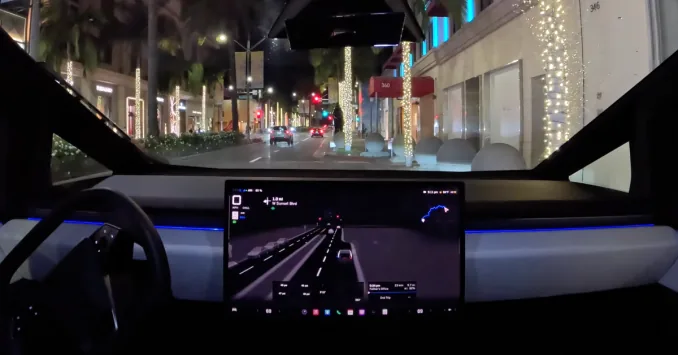
Whenever the topic of Unsupervised Full Self-Driving (FSD) surfaces, public conversation tends to gravitate toward two familiar extremes: wall-to-wall robotaxi fleets wiping out ride-hailing apps, or heated technical debates over camera vision vs. LiDAR and edge-case disengagements.
Lost in the crossfire is the practical impact on everyday private car ownership.
What actually changes when your personal car no longer requires an alert human behind the wheel? The transition from supervised (where you are legally the backup driver babysitting every turn) to unsupervised (zero driver presence or attention required) isn’t just an incremental software patch. It fundamentally re-engineers household schedules, family logistics, long-distance travel, and personal finance.
A recent discussion in the r/TeslaFSD community sparked an eye-opening look at what daily life looks like once the driver’s seat becomes optional.
1. The Single-Car Suburban Household
Maintaining multiple vehicles is one of the heaviest ongoing expenses for suburban households. Often, a second car sits parked in an office lot or commuter train bay for nine hours straight simply so both adults have independent mobility.
- The Daily Routine: One partner commutes 20 minutes to a commuter rail station or transit park-and-ride, leaving the vehicle sitting idle in a parking bay all day. The second partner is left without wheels at home.
- The Autonomous Shift: The vehicle drops Partner A at the station curb. Once clear, it receives a “Return Home” dispatch. It navigates back to the home garage, plugs in, and stays available for Partner B to run midday errands, handle grocery runs, or attend local appointments. In the evening, the vehicle dispatches itself back to the commuter station right as Partner A’s train pulls in.
The Bottom Line: Families can cut vehicle depreciation, auto loan interest, maintenance, registration, and insurance overhead in half without sacrificing independent mobility.
2. The “Kid Chauffeur” & The End of the School Carpool Line
If there is one daily ritual suburban parents universally dread, it is the afternoon school pick-up line—sitting in an idling queue of 150 vehicles for 45 minutes just to collect the kids and drive 1.5 miles home.
School buses solve this for some, but route cuts, driver shortages, and narrow walk-to-school radii often leave parents to shoulder the burden.
- Autonomous Morning Drop-Off: The kids load their backpacks and instruments into the back, and the vehicle navigates the morning rush hour to the school drop-off loop. An attendant or drop-off marshal assists with the door, the kids step onto the sidewalk, and the car returns home or heads directly to the office.
- The Zero-Wait Afternoon Run: Instead of stepping away from your desk at 2:30 PM to sit in an idling line, you dispatch the car remotely. The vehicle navigates the queue, matches up with the school’s digital tag or RFID pickup system, unlocks for your kids, and brings them safely to your driveway.
- After-School Activity Shuttles: Soccer practice at 4:30 PM, piano lessons across town at 5:45 PM? The vehicle handles the interstitial shuttle legs between school, activities, and home, ending the multi-hour evening grind of playing an unpaid chauffeur.
The Real-World Nuance: Child Safety & Legal Age Thresholds
Transporting minors without an adult in the cabin introduces specific non-driving hurdles:
- The Human Element: An autonomous vehicle can navigate four-way stops flawlessly, but it cannot prevent siblings from unbuckling or wrestling in the second row. High-resolution cabin cameras paired with live two-way intercoms will be essential so parents can supervise from an app.
- School Hand-Off Protocols: Schools currently require a verified adult behind the wheel for elementary grades. Autonomous pickups will rely on student QR/NFC wristband scans and school attendant verification before doors unlock.
- Phased Adoption: This will almost certainly roll out in tiers—beginning with high school and middle school teens who can manage their own seatbelts and doors before expanding to younger age groups.
3. Frictionless Errands & Private Courier Logistics
Much of the modern on-demand economy runs on third-party courier apps—paying $15 to $25 in marked-up service fees, delivery charges, and driver tips just to fetch small items. With an empty-cab vehicle, your car becomes your private courier:
- Curbside Pickup Without You: Need to pick up dry cleaning, prescription glasses, or a prepaid hardware order? Instead of burning 45 minutes round-trip during rush hour, you dispatch the vehicle to a designated retail pickup lane.
- Seamless Loading: A store employee scans an order barcode on the window, places the items in the trunk or frunk, and closes it. The car confirms the hand-off and returns home.
- The Economics: For less than a dollar of electricity and zero platform markups, you reclaim an hour of productive work or family time.
4. The End of Airport Parking (or Turning Idle Days into Cash)
Airport parking is a glaring example of inefficient car ownership: paying hundreds of dollars for a remote, dusty spot, followed by dragging luggage onto a packed terminal shuttle.
Unsupervised autonomy offers two superior options:
- The Safe Return Route: The car drops you and your family right at the departure terminal curb. You head straight into TSA while the car navigates home, opens the smart garage door, and stays parked until your return flight.
- The Passive Income Route (Peer-to-Peer Fleet Mode): If you are comfortable letting others ride in your car and trust automated cabin monitoring, you can flip on autonomous fleet sharing. Instead of burning $30 a day in long-term parking fees, your car spends your vacation running short-haul commuter trips in your local metro area. By the time you land, your idle vehicle has helped pay down your travel expenses.
- The Touchdown: As soon as your return flight arrives at the gate, the car pauses public dispatch, routes straight to the arrivals pickup island, and meets you curb-side—no parking tickets, no shuttles, and no midnight ride-share surge pricing.
5. The “Sleeper Train” Road Trip: Re-Imagining Regional Travel
Perhaps the most transformative shift is in regional travel.
Flying short-to-medium distances (300 to 700 miles) is notoriously exhausting: arriving two hours early, navigating security lines, boarding delays, baggage claim, and rental car counters. Driving that same distance requires an entire day battling highway fatigue behind the wheel.
Unsupervised FSD turns the passenger cabin into a private, rolling sleeper car:
- The Red-Eye Departure: Pack your bags, fold down the back seats, set up a custom memory foam camping mattress, and dial in the cabin climate. At 10:00 PM, tuck yourself or the kids in and set the GPS for a destination 650 miles away.
- Smooth Overnight Transit: The car cruises down interstate corridors at a steady, energy-efficient pace, routing through automated Superchargers while the cabin sleeps.
- Waking Up Rested: You wake up at 7:00 AM, refreshed, stepping right into the mountains or the coast—without burning a daylight travel day and with zero airport friction.
6. Nocturnal Maintenance and Autonomous Care
Vehicle maintenance today drains personal time—arranging drop-offs, sitting in waiting rooms, or coordinating rides back from service centers.
With unsupervised operation, vehicle upkeep happens off-hours:
- Overnight Service Runs: When the car flags low tire tread or alignment drift, it slips out between 2:00 AM and 4:00 AM to a 24-hour service bay, completes the work, and returns to your garage before breakfast.
- Touchless Detailing & Charging: For owners living in apartments or condos without dedicated home charging, the car dispatches itself overnight to charge at off-peak utility rates, runs through an automated touchless wash, and returns to its spot clean and fully charged.
7. The Macro Shift: Will We Even Own Cars Anymore?
When a vehicle can drive without a human, the traditional mathematics of car ownership collapses. The average car payment, insurance premium, and maintenance bill totals $900 to $1,200 per month—for an asset parked idle 95% of its life.
Rather than choosing strictly between outright ownership and hailing a cab, transportation will likely fragment into three parallel tiers:
| Model | How It Works | Target Audience | Primary Trade-Off |
|---|---|---|---|
| Tier 1: On-Demand Spot Hailing | Hail a driverless vehicle via an app whenever you need a ride. Zero fixed monthly costs. | Dense urbanites, occasional drivers, students. | Peak-hour wait times, dynamic surge pricing, and no personal storage. |
| Tier 2: Priority Monthly Subscription | Pay a flat monthly fee ($400–$700/mo) for guaranteed under-5-minute vehicle dispatch and access to different vehicle types on demand (compact for daily work, SUV for the weekend). | Suburban commuters, regular travelers. | Recurring monthly cost, but eliminates maintenance, insurance, and parking overhead. |
| Tier 3: Fractional Private Ownership | You purchase or lease a dedicated vehicle for your personal belongings and customizations, but lease it into the autonomous fleet when idle to offset costs. | Families with child car seats, tradespeople with tools, rural residents. | Capital outlay and maintenance responsibility, offset by passive ride-hailing revenue. |
The Likely Reality: Private car ownership will not disappear, but two- and three-car suburban driveways will compress into a single anchor vehicle supplemented by on-demand autonomous fleets.
The Engineering & Regulatory Reality Check
While the consumer scenarios are clear, reaching this level of everyday utility requires solving distinct operational and legal hurdles that supervised driving currently masks:
- Remote Teleoperation Centers: Autonomous vision can handle the vast majority of miles, but unexpected road construction, temporary detour tape, or a police officer directing traffic via hand signals will require remote human teleoperators to assist vehicles in real time.
- Robotic Charging Infrastructure: For a car to drive completely empty over long distances, charging must be automated (via inductive ground pads or robotic plug systems) rather than requiring manual human plugging.
- Manufacturer Liability: The legal threshold for “unsupervised” is simple: the moment an empty car operates on public roads, driver liability drops to zero. Manufacturers and state insurance regulators must establish unified frameworks where the software platform assumes operating fault.
The Big Picture
Robotaxis will redefine high-density downtowns, but the profound shift will happen in everyday driveways. The leap to unsupervised autonomous driving transforms personal vehicles from idle, depreciating machinery into active household logistics partners, mobile living spaces, and on-demand assets.