The Blueprint for a Successful 3-Gallon Betta Tank Setup
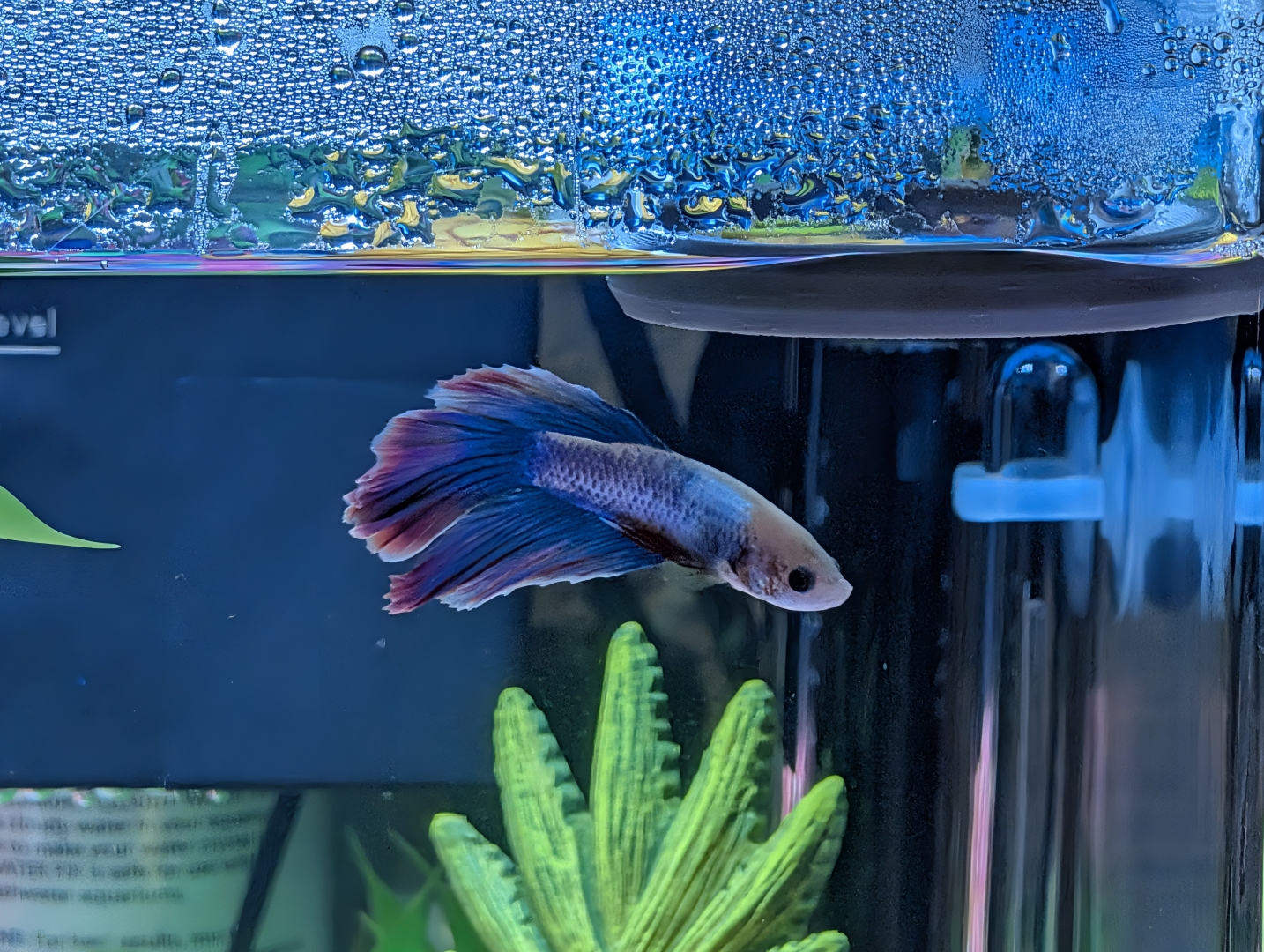
Setting up a small aquarium can feel a bit deceptive. We often think a smaller space means less work, but in reality, a 3-gallon tank requires a little extra discipline and the right strategy to keep your fish thriving. If you’ve ever struggled with sudden water cloudiness or a stressed fish, you are not alone.
Here is the exact step-by-step playbook to set up a safe, stable, and crystal-clear home for a Betta fish—the right way.
The Gear Checklist
Before adding water, ensure you have the correct essentials:
- A 3-Gallon Aquarium: A great desktop size, but it requires diligent maintenance since it lacks the chemical “buffer” of a larger tank.
- An Adjustable Heater: Vital for keeping the water stabilized at a tropical 78°F to 80°F. Sudden temperature drops shock a Betta’s immune system.
- A Gentle Filter: Bettas prefer low-flow environments so they aren’t constantly fighting a heavy current.
- High-Quality Water Conditioner & Quick-Start Bacteria: To neutralize tap water toxins and immediately introduce beneficial biological filtration.
- Smooth Decorations: A classic aquarium pineapple or soft silk plants. Ensure everything is smooth to protect delicate Betta fins.
- A Betta Leaf Hammock: A small suction-cup leaf placed near the water’s surface so your fish can rest comfortably near the top.
Step 1: Setting the Pristine Baseline
Before introducing your fish, you have to establish a safe environment. If you are resetting a tank or dealing with initial cloudiness, a massive water reset is your best friend.
- Clear the Waste: Perform a thorough water change to remove any built-up debris from the gravel.
- Condition the Water: Never use raw tap water. Always treat fresh water with a high-quality conditioner to neutralize harmful chlorine and heavy metals.
- Establish the Biological Filter: Add a healthy dose of live starter bacteria directly to the tank. This kickstarts the “nitrogen cycle,” which breaks down fish waste before it can turn toxic.
Step 2: The “Slow & Steady” Overnight Acclimation
Taking your Betta from the store cup and dumping him directly into a new tank is a recipe for shock. Instead, practice patience with an overnight temperature match.
- Float the Container: Keep your new Betta inside his sealed store container and let it float right in the tank water overnight.
- Why This Works: It allows the water inside the cup to perfectly match the tank temperature over several hours, completely eliminating temperature shock.
- The Air Gap: Ensure there is a small pocket of air at the top of the floating container so he can easily breathe surface air overnight.
- Kill the Lights: Turn off all aquarium lights during this period. Darkness lowers the fish’s heart rate, reduces stress, and keeps them calm.
Step 3: The Splash Transfer (The Next Morning)
When it’s time to officially move your fish into the tank, you must bridge the gap between the cup’s water chemistry and your tank’s pH.
- The Drip/Splash Method: Every 15 minutes for about an hour, scoop a small amount of water out of the store container and replace it with a splash of your warm tank water. This slowly acclimates his kidneys to your local water hardness and pH levels.
- The Strainer or Cup Transfer: Gently scoop the fish out of the container to release him into the tank. Do not pour the store cup water into your clean aquarium. Store water is highly concentrated with ammonia and waste; keep it out of your pristine setup.
- Hold the Food: Do not feed your Betta on his first day in the tank. Stress slows down a fish’s metabolism, and feeding too early can cause dangerous bloating or constipation.
Step 4: The Golden Maintenance Routine
Once your Betta is swimming happily, keeping the tank crystal clear comes down to consistent, bite-sized habits. In a 3-gallon tank, a monthly schedule is not enough—weekly care is the secret.
Daily
- Controlled Feeding: Feed 2 pellets in the morning and 2 in the evening. If a pellet misses his mouth and hits the gravel, scoop it out within two minutes so it doesn’t rot and trigger a cloudy bacterial bloom.
- Quick Check: Confirm the heater is holding at 78°F and the water remains clear.
Weekly
- The 2-Cup Refresh: You don’t need a massive siphon setup. Simply scoop out two large 32 oz cups (about a half-gallon) of old water. Replace it with two cups of fresh, conditioned, temperature-matched water.
- Replenish Bacteria: Add 5 drops of your starter liquid weekly after your water change to keep your biological filter robust.
- The Weekly Fast: Skip feeding one day a week (e.g., every Saturday). This naturally clears out the fish’s digestive tract and prevents swim bladder issues.
Monthly
- Filter Rinse: Never wash your filter cartridge under the tap! The chlorine will instantly kill your beneficial bacteria. Instead, swish the filter cartridge around in the old tank water you just removed during your weekly change to knock off any gunk.
By replacing massive, stressful cleanings with a simple, weekly 2-cup routine, your water chemistry will remain rock-solid, and your Betta will display the bright, vibrant colors of a truly happy fish.
Related Posts
2026-06-13
2026-06-07